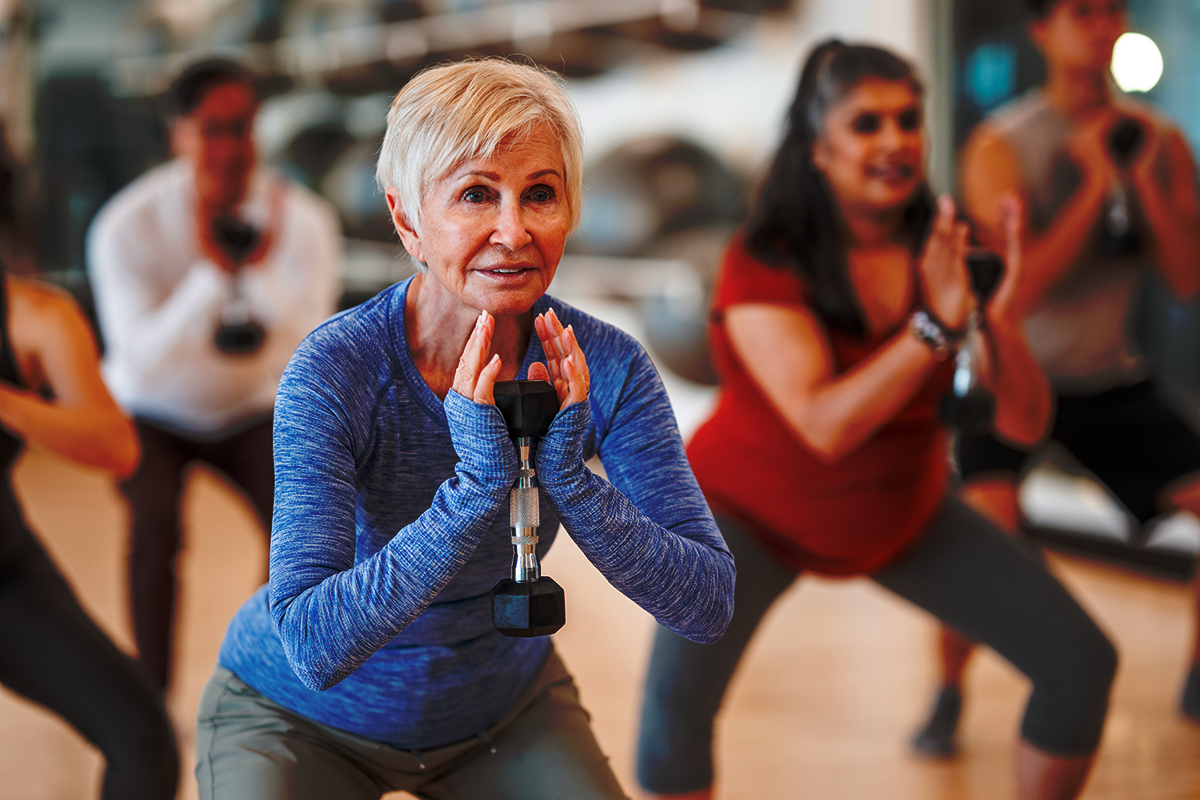
Fitness should be for everyone, no matter their age or ability. But making that a reality takes thoughtful planning, creativity, and commitment. An inclusive fitness program for all ages and abilities goes beyond simply offering classes to considering accessibility, adaptation, and community support at every level. From older adults seeking balance and strength to individuals with mobility challenges or cognitive disabilities, inclusive exercise programs ensure that everyone can participate safely, stay motivated, and enjoy the benefits of regular physical activity.
Research shows that when programs are designed with inclusivity in mind, participants experience improvements in strength, endurance, balance, and overall well-being, while also fostering social connection and confidence. By embedding inclusivity into fitness, organizations and instructors can create spaces where every individual feels welcome and empowered to move.
Why Inclusive Fitness Matters
The health benefits of exercise are well documented: it reduces the risk of chronic disease, supports mental health, improves mobility, and helps maintain independence. Yet people with disabilities and older adults are significantly less likely to meet recommended physical activity guidelines. According to the CDC, adults with disabilities are less likely to engage in regular aerobic or strength activities despite having higher health risks. Inclusive fitness programs help bridge this gap, ensuring everyone has the opportunity to improve their health while feeling supported.
Beyond enhancing physical health, inclusive fitness programs also promote social connection and belonging. A study on athletes with intellectual disabilities found that training alongside peers without disabilities improved fitness outcomes and fostered positive social interaction. It demonstrated that mixed-ability exercise environments can benefit all participants and strengthen community bonds.
Principles of an Inclusive Fitness Program
To design an effective inclusive fitness program, consider these proven strategies:
Multicomponent Exercise Is Effective
Combining strength, balance, flexibility, and aerobic training is particularly effective for older adults and people with varying abilities. Offering diverse exercises allows participants to find movements that meet their fitness level and interests while improving overall health.
Adaptation and Modification Are Key
Providing alternative movements, such as seated exercises, resistance bands, or balance supports, ensures that participants with mobility challenges or other limitations can safely engage in the activity. Instructors should offer clear options and encourage self-pacing, which increases confidence and participation.
Accessible Technology Can Overcome Barriers
Remote or digital programs can help people who face barriers to in-person classes. Studies have shown that online strength and balance programs for older adults lead to high adherence and measurable fitness improvements. Virtual options, when designed with user-friendly interfaces, can broaden access and sustain engagement.
Inclusive Messaging Matters
Visuals and language are important. Research indicates that participants are more likely to join programs when marketing materials depict people of different ages, abilities, and body types and clearly explain adaptations. Using welcoming, age- and ability-inclusive messaging signals that all participants are valued.
Environmental and Structural Barriers Should Be Addressed
Structural barriers, such as inaccessible facilities, lack of adaptive equipment, or untrained staff, can limit participation. Ensuring ramps, wide pathways, adjustable and adaptive equipment, and properly trained staff create an environment where everyone can engage safely. Through our comprehensive fitness consulting services, Arch helps facilities move beyond basic ADA compliance to design modern, fully accessible fitness environments that support users of all abilities, ages, and mobility levels.
Steps to Build an Inclusive Program
1. Assessment and Planning
The first step is to survey your community to understand who is not being served. Then, you’ll want to audit your facility for accessibility, and train staff on inclusive teaching techniques.
2. Program Design
Offer multiple formats: chair yoga, seated strength, adaptive cardio, or small group functional training. Use universal design principles to allow different ability levels to participate in the same class. You’ll also want to provide clear instructions and visual cues for modifications. Experienced amenities managers, like Arch, can also ensure programming is intentionally structured so participants of different ages and abilities can engage in the same class through thoughtful modifications and universal design principles.
3. Outreach and Engagement
Market inclusively with diverse visuals and clear descriptions of adaptations. You can also partner with local disability organizations, aging services, and community groups. Hybrid programs or virtual sessions can help reach those with transportation or mobility challenges.
4. Measurement and Feedback
Track participation across demographics and solicit feedback to ensure the program meets participants’ needs. Fitness assessment for balance, strength, and endurance can help monitor progress. Arch leverages data analytics to monitor class performance and participation trends, helping facilities continually refine inclusive offerings based on real engagement insights.
5. Sustainability and Growth
Ongoing staff education is essential to sustaining inclusive fitness environments. Through its Arch Academy, Arch hosts quarterly compliance and professional development trainings—most recently focusing on ADA Customer Service for Wellness Professionals—to ensure teams are equipped to serve participants of all abilities.
As you continue to develop your inclusive fitness program, provide adaptive equipment, sliding-scale pricing, and continued staff training. Sharing success stories can normalize inclusive participation and inspire broader community engagement.
By combining adaptation, accessibility, diverse programming, and supportive social environments—with guidance from experienced partners like Arch —fitness professionals can create spaces where everyone moves confidently, grows stronger, and feels included.