Performance-Driven Wellness Design From Concept to Reality
In our last article, we discussed the importance of concept development and how it helps design, service, and programming work as a single experience.
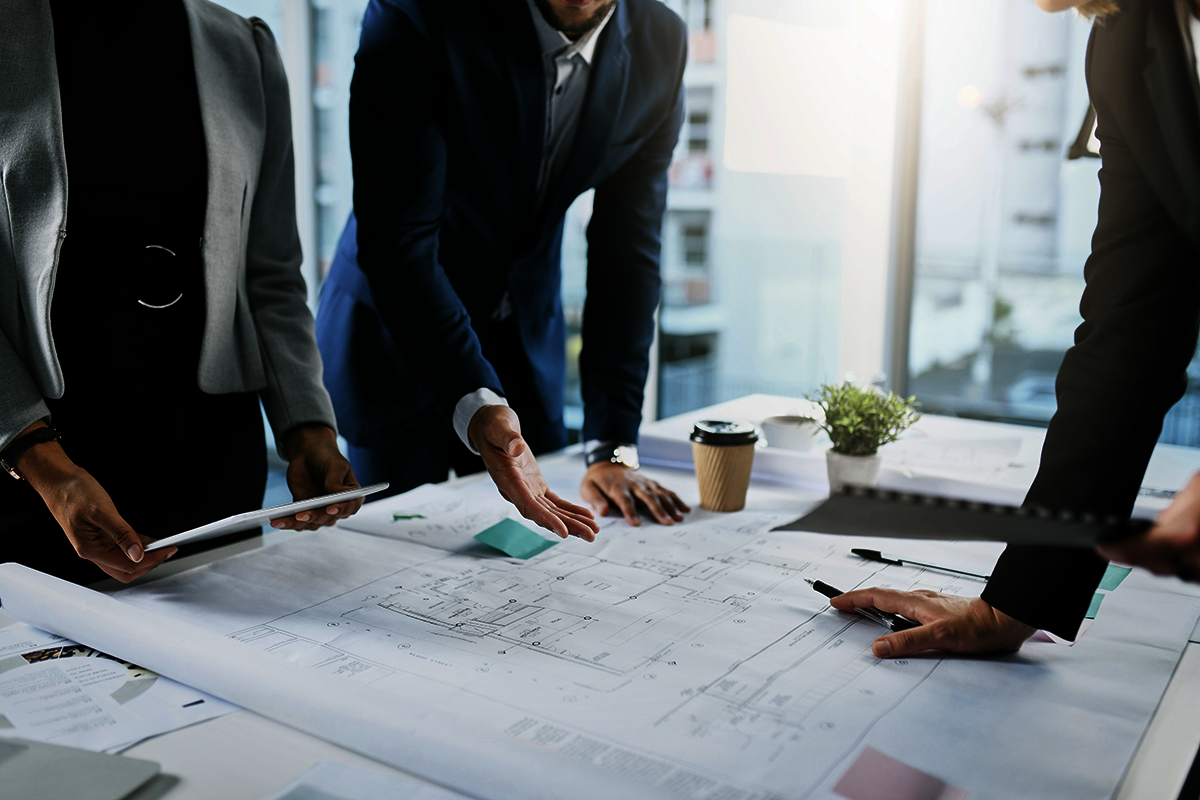
Once the concept is defined, the next step is bringing it to life, and this is where design enters the process.
But design is not just about how a space looks. It is where strategy is tested against reality.
Because the success of a concept depends on whether it can be experienced consistently, not just envisioned.
Where Wellness Design Often Falls Short
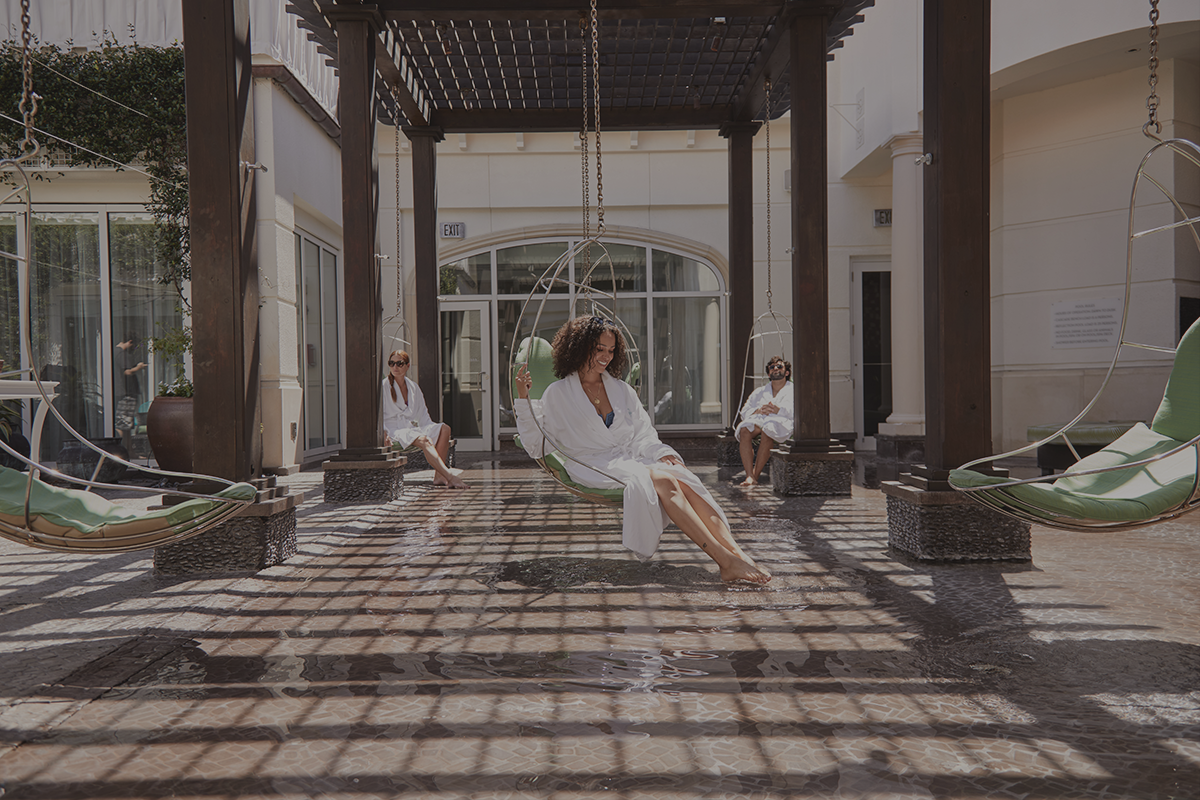
Many wellness environments today are visually compelling.
Hotel spas. Boutique fitness studios. Corporate amenity floors. Residential lifestyle spaces.
They photograph well. They present well. They meet expectations on opening day.
But over time, performance gaps emerge.
Not because of design quality, but because design decisions were not fully aligned with how the space would actually be used, programmed, and staffed.
Beautiful vs. Effective: The Real Difference
Wellness design becomes more effective when it is grounded in use.
That includes understanding:
- How members and guests move through the space
- Where engagement and treatment moments naturally occur
- How programming is delivered across the day
- How staff interact with users at peak and off-peak times
- How activity shifts from morning fitness to evening recovery
Without this, even beautifully designed wellness environments can feel underutilized or disconnected.
What Performance-Driven Wellness Design Includes
When design is aligned with strategy and operations, it supports performance across five dimensions.
1. Flow and Circulation
Members and guests navigate the space intuitively. Wet zones, dry zones, fitness floors, and quiet recovery areas connect in a logical sequence that supports the full user journey.
2. Visibility and Activation
Treatments, classes, and amenities are seen, understood, and easily accessed. Programming does not get lost behind the design.
3. Flexibility
Spaces support multiple uses throughout the day and evolve as wellness offerings change. A studio that hosts yoga at 7 a.m. can host recovery programming at 7 p.m.
4. Operational Efficiency
Layouts support staffing models, treatment delivery, and daily execution at peak load. Back-of-house and front-of-house align.
5. Longevity
Materials, equipment, and layouts hold up to the demands of high-touch wellness use over years, not months.
Designing for Activation
A well-designed wellness space does not require explanation.
It invites participation.
- Programming is easy to access
- Treatments and classes are clearly communicated
- Guests, members, and tenants understand how to engage without friction
This is where design directly impacts utilization, the metric every wellness operator and asset owner actually cares about.
Designing for Consistency Over Time
The most important test of wellness design is not opening day.
It is how the space performs months and years later, after the marketing photos are taken and the daily routine sets in.
When design supports:
- Efficient operations
- Consistent service delivery
- Ongoing programming
The guest or member experience remains stable, even as conditions, seasons, and staffing change.
Connecting Wellness Design to Business Performance
This is where design becomes more than visual.
Because when design supports:
- Operational realities
- Programming needs
- User behavior
Execution becomes more consistent.
And when execution is consistent, performance becomes more reliable. Utilization rises. Retention improves. Revenue per square foot stabilizes.
The Outcome: Wellness Spaces That Sustain Engagement
From the outside, high-performing wellness spaces feel effortless.
But that simplicity is the result of intentional alignment.
- Spaces are easy to use
- Experiences feel natural
- Engagement remains steady
- Performance holds over time
Concept defines the experience.
Design determines whether that experience can be delivered.
When wellness design is grounded in how spaces are used, not just how they appear, it becomes a critical driver of sustained performance.
That is the difference between beautiful and performance-driven wellness design.