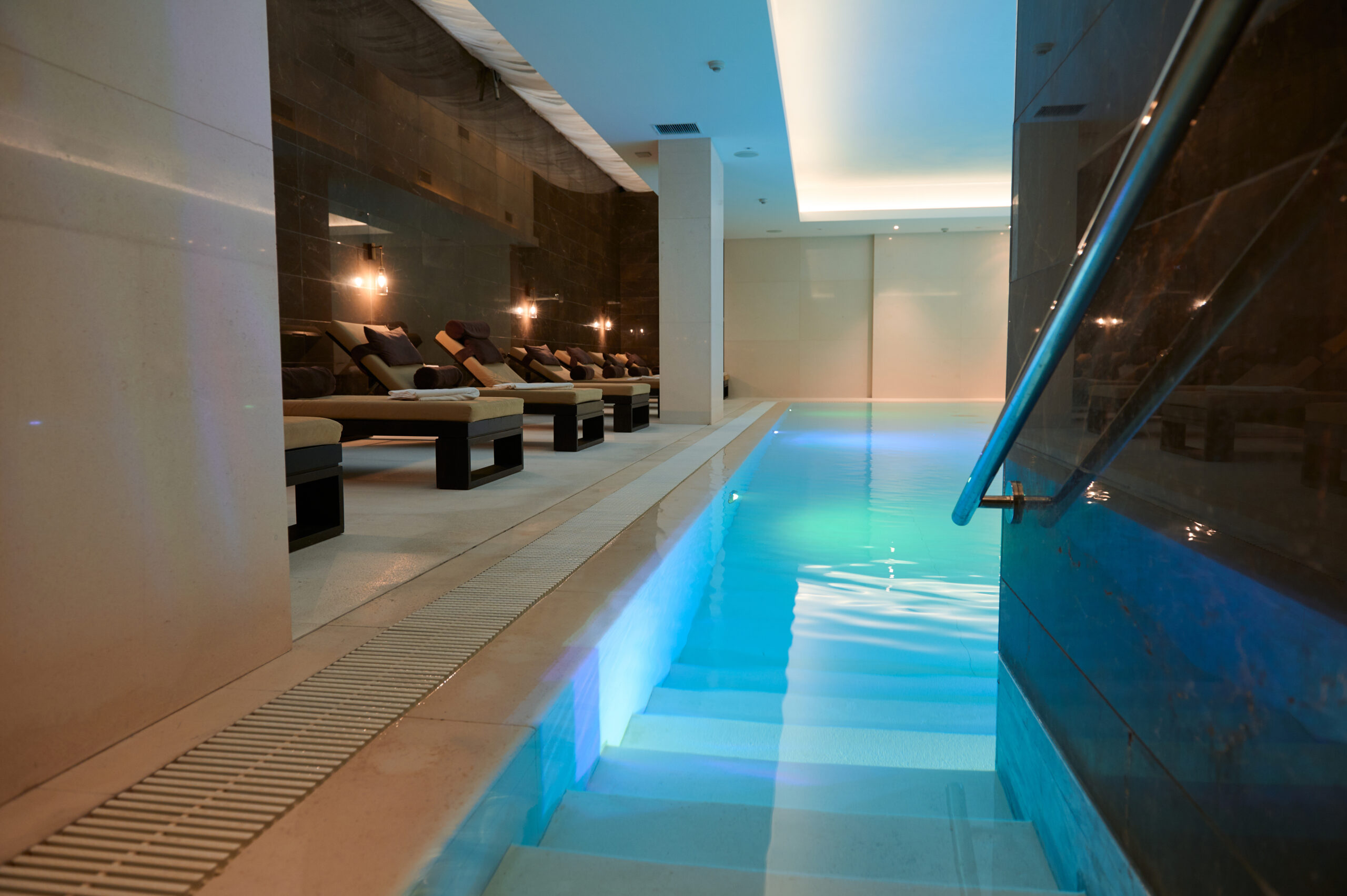
As wellness expectations continue to rise, properties are being challenged to move beyond standalone amenities and toward environments that feel intentional, integrated, and easy to engage with. In 2026, the most successful wellness strategies won’t be louder or more complex, they’ll be smarter, more human, and more aligned with how people actually live and move through spaces.
At Arch, we’re seeing five clear trends shaping the next era of wellness environments across commercial, residential, and mixed-use properties.
THERMAL GOES MAINSTREAM
From Urban Bathhouses to the American Sauna Movement
Thermal bathing is no longer a niche concept. Contrast bathing is now widely understood by the general public, and urban bathhouses have proven there is real demand for shared thermal experiences that feel social, approachable, and repeatable. What started in major cities is now moving into secondary markets, supported by the rapid growth of American-based sauna and thermal companies.
These environments succeed not just because of the health benefits, but because they create natural moments of connection through shared rituals and time spent together, without feeling programmed or forced.
Key Signals
- Contrast bathing has entered mainstream wellness awareness
- Bathhouse and sauna concepts expanding beyond primary metros
- Growth of American sauna and thermal brands
- Social, communal formats driving repeat use
- Strong membership and utilization with lower staffing needs
FITNESS AS IDENTITY
From Big Box Gyms to Branded Culture Spaces
Fitness spaces are becoming more defined and intentional. Large, anonymous gyms are giving way to environments with a clear point of view, spaces that reflect a lifestyle, an aesthetic, and a set of values. People are choosing fitness brands that feel aligned with who they are, not just what equipment is available.
Belonging is created through design, programming, and consistency, not manufactured community. As a result, fitness is playing a bigger role in how properties are perceived and experienced.
Key Signals
- Decline of generic, one size fits all fitness models
- Rise of clearly branded, culture driven fitness spaces
- Increased desire for alignment and belonging
- Fitness acting as a social anchor within properties
- Stronger loyalty tied to identity rather than convenience
WELLNESS, EVERYWHERE
Beyond the Spa Walls
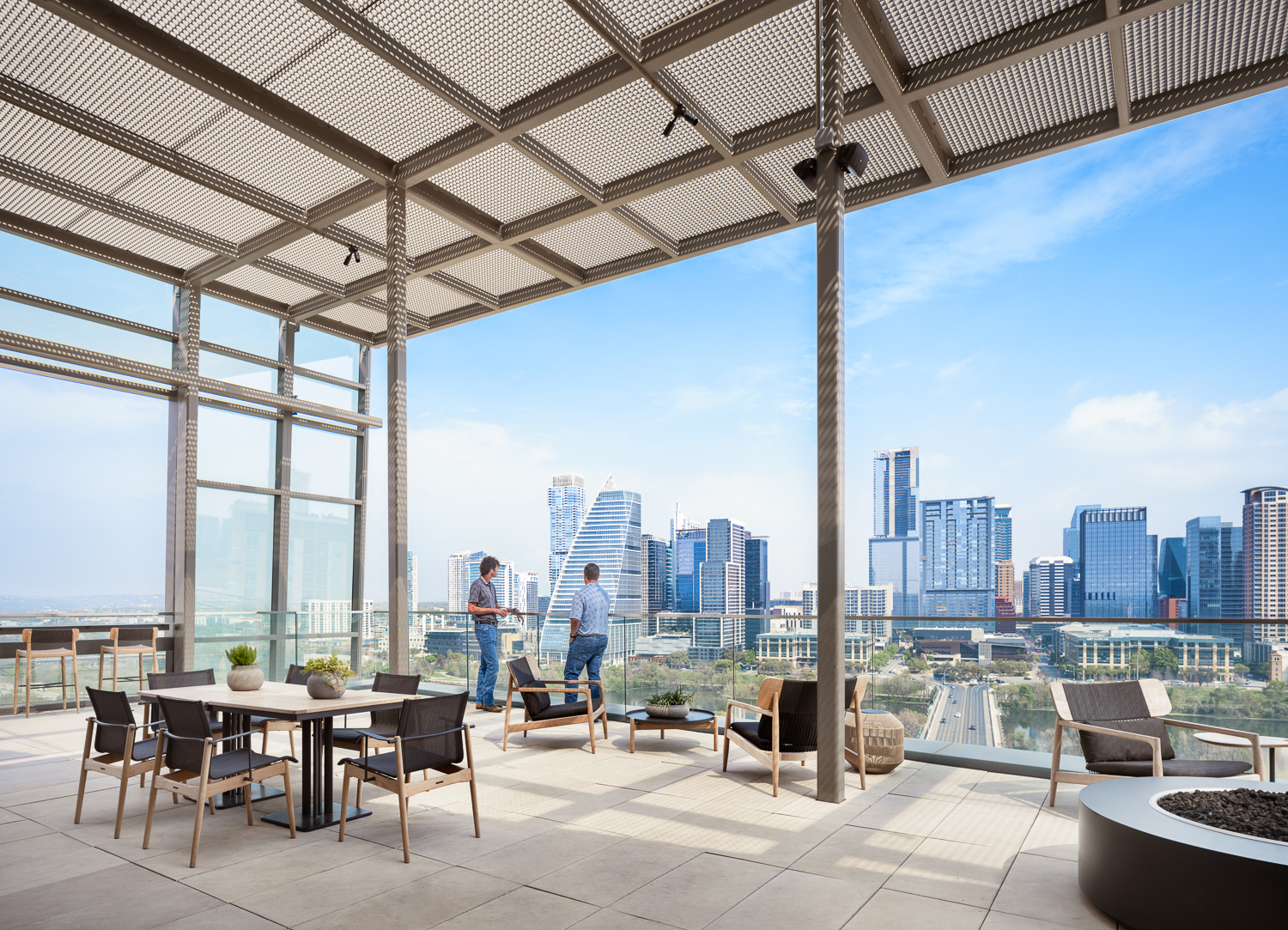
Wellness is no longer limited to the spa. It is showing up across entire properties, outdoors, in shared spaces, and in moments designed for everyday use. Many properties without traditional spas are introducing wellness programming or dedicated wellness pockets, while residential developments increasingly see wellness as a baseline amenity.
More of these spaces are autonomous and self guided, allowing people to engage on their own terms. From airport fitness rooms to recovery lounges and outdoor movement zones, wellness is becoming part of the daily environment rather than a scheduled experience.
Key Signals
- Wellness integrated into outdoor areas and shared spaces
- Growth of wellness amenities in residential and mixed use projects
- Increase in staff light, self guided wellness environments
- Wellness appearing in nontraditional settings
- Demand for easy, everyday access without appointments
THE STRENGTH SHIFT
From Cardio Rooms to Performance and Recovery
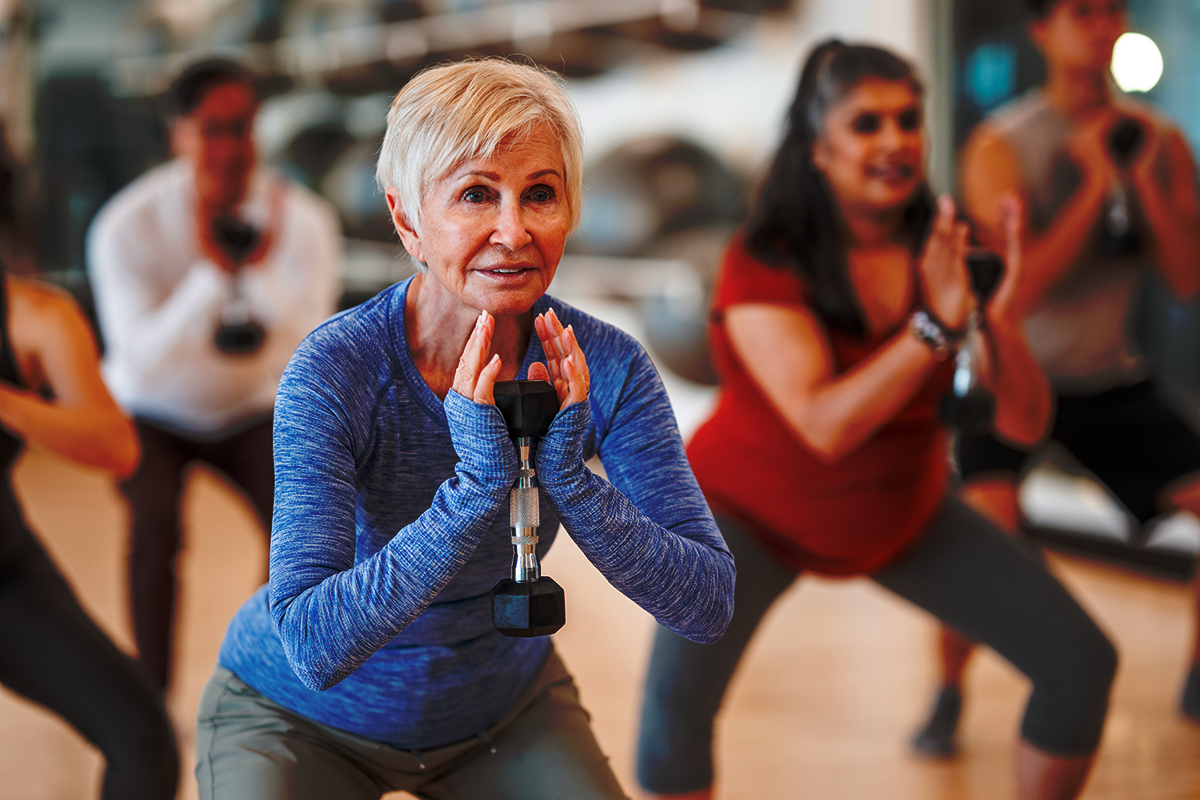
Fitness planning is shifting. Cardio is no longer the primary driver of space design. Strength training and recovery are taking a more central role, shaping layouts, equipment decisions, and programming strategies.
This change reflects a broader focus on longevity, injury prevention, and sustainable training. Recovery is now visible and intentional, not tucked away or treated as optional.
Key Signals
- Strength training prioritized over traditional cardio layouts
- Recovery integrated directly into fitness environments
- Programming driving space use throughout the day
- Greater focus on longevity and performance
- More flexible, efficient fitness footprints
Looking Ahead
In 2026, successful wellness environments will feel more intentional, more integrated, and easier to use. Wellness is becoming part of daily life, designed to support connection without pressure, movement without friction, and experiences people return to again and again.