If you’ve attended a corporate retreat recently, you’ve probably noticed just how different they feel compared to a few years ago. Beyond gathering simply to discuss quarterly goals or sit through another round of icebreakers, teams are coming together to rebuild connection and strengthen workplace culture in meaningful ways. And organizations have good reason to invest the time. In fact, Gallup’s 2024 meta-analysis of more than 2.7 million employees found that teams in the top quartile of engagement experience up to 51 percent lower employee turnover compared to the least engaged, demonstrating just how powerful intentional connection—like that fostered by a corporate retreat—can be for retention.
As hybrid teams become more common and employees look for deeper purpose, clarity, and community at work, corporate retreats are emerging as one of the most effective tools leaders have for nurturing trust, sparking creativity, boosting employee engagement, and reinforcing a sense of belonging across the organization. In a McKinsey podcast titled “Culture in the Hybrid Workplace,” it’s evident that companies are rethinking workplace culture and how in-person interaction, like offsites and strategic gatherings, help build social ties. The top trends in corporate retreats blend wellness, learning, immersive experiences, and future-focused innovation into gatherings that create lasting value after everyone returns home.
Top Corporate Retreat Trends
1. Purpose-Driven Retreats That Strengthen Alignment
Today’s most successful retreats are built around a clear purpose, whether it’s strategic planning, rebuilding trust after organizational change, or resetting workplace culture during rapid growth. Companies want retreats that matter, and employees want to know why they are worth their time. Unlike a strictly social getaway, these are meaningful inflection points that help teams reconnect to shared goals.
2. Wellness as a Foundational Element
Wellness has shifted from a nice-to-have option to a core pillar of corporate retreats. After years of burnout and shifting expectations around work-life balance, companies are focusing on gatherings that help people decompress and reset.
Modern wellness programming includes:
- Mindfulness and meditation sessions
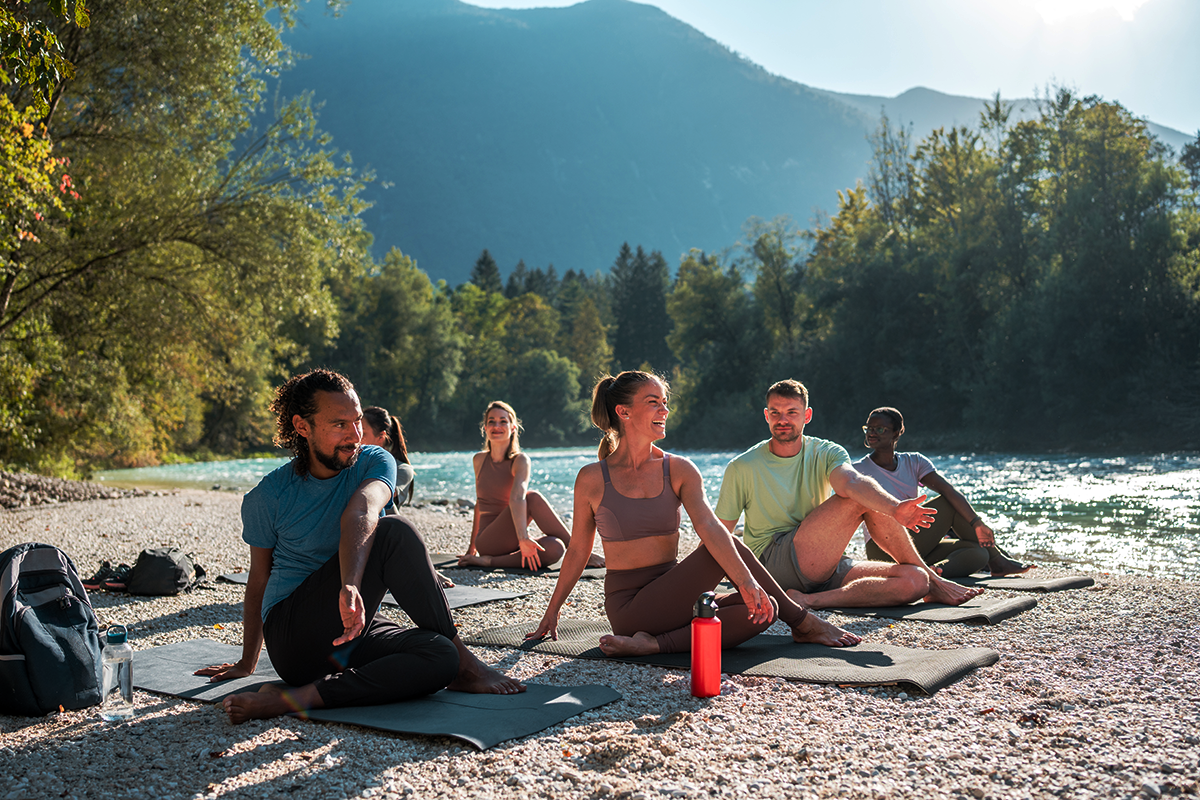
- Nature immersion (forest bathing and guided hikes)
- Energy-supporting menus
- On-site well-being coaches
- Digital detox hours
Healthy teams create healthier workplace cultures, making wellness-focused retreats a high ROI investment.
3. Skill Building and Leadership Development
Corporate retreats are increasingly doubling as learning environments, offering employees the chance to grow through hands-on skill building. This is especially true for leadership development, which employees often cite as a key driver of job satisfaction and long-term engagement. Some popular skill-building experiences include leadership intensives, communication and conflict-resolution workshops, innovation sprints, creative problem-solving labs, and cross-functional learning exchanges. Retreats that invest in employee growth signal that the company is committed to their success, and help teams return with sharper skills and renewed motivation.
4. Micro-Retreats for Hybrid and Global Teams
With teams spread across cities, countries, and even continents, many organizations are shifting toward shorter more frequent offsites designed to support ongoing alignment. These micro-retreats typically last one to two nights, focus on specific milestones or challenges, and are ideal for hybrid or newly formed teams. They are also easier to coordinate and travel to than longer retreats, making them a practical way to maintain momentum, strengthen connection, and ensure the team stays aligned and engaged throughout the year.
5. Sustainability as a Decision Driver
Corporate values are playing a larger role in retreat planning, and sustainability has become a differentiator for venues and programs. Low-waste or zero-waste food and beverage programs, carbon-offset travel coordination, eco-certified venues, and locally sourced menus are increasingly standard expectations. Many organizations are also seeking regenerative partnerships that give back to the local community. In short, companies want retreats that reflect their environmental commitment.
6. Immersive, Place-Based Experiences Elevate Engagement
Retreat attendees increasingly crave connection with their colleagues and with the places they visit. As a result, generic hotels are being replaced by properties with character and immersive, locally inspired programming. Think mountain lodges offering guided outdoor adventures, lakeside resorts with water-based activities, cultural workshops led by local partners, farm-to-table culinary experiences, and outdoor challenges. These kinds of experiences create authentic memories while helping teams forge deeper bonds.
7. AI Retreat Planning Streamlines Complexity
AI is reshaping retreat planning behind the scenes. While not replacing planners, it is making logistics easier and more accurate. According to Cvent, AI is transforming the ways events are planned, providing more personalization and automation.
AI retreat planning tools now support:
- Agenda optimization
- Travel and transportation forecasting
- Predictive budget modeling
- Vendor selection
- Pre-retreat surveys and experience design
With AI handling the operational heavy lifting, planners can focus on meaningful programming and attendee experience.
8. Creative Team Building Makes a Comeback
Team building is having a renaissance, but with a modern, playful twist. Companies are leaning into activities like cooking competitions, strategy-based outdoor challenges, storytelling or improv sessions, creative-build projects, and charity-driven competitions. These activities strengthen communication, problem-solving, and trust while keeping teams energized, connected, and excited to participate.
The top trends in corporate retreats reflect a clear shift: organizations are using retreats as strategic investments in workplace culture, connection, leadership development, and employee engagement. Whether through wellness experiences, immersive environments, intentional learning, or AI-powered planning, retreats today are designed to create meaningful impact among all who attend.
As corporate retreats evolve, staying ahead of the curve is key. Every Arch Meetings & Events venue offers an on-site coordinator who is in tune with emerging trends and can help you design and execute a corporate retreat that is both innovative and impactful.