
As housing providers and building managers look for ways to build stronger relationships with the people who live in their communities, resident engagement has become a cornerstone for good property management. At its core, community is about connection and making residents feeling known and valued. And when communities thrive, so do properties’ bottom lines.
Whether it’s determining better ways to communicate with residents, creating activities that help neighbors truly get to know one another, or developing new ways to make tenants feel seen, heard, and included, the most effective efforts tend to be simple, genuine, and rooted in real connection.
Why Resident Engagement Matters
With resident retention rates now averaging around 63 percent, operators are increasingly focused on the factors that influence why residents choose to stay. Beyond rent and location, everyday experience—including how connected residents feel to their community—plays an important role in long-term satisfaction and renewal decisions.
In a competitive rental market, engaged residents are more likely to renew leases, participate in community events, and recommend their location to friends and family. What does this mean for building managers and operators looking to improve retention and long-term resident satisfaction? When resident engagement is guided by real insights and executed with intention, even simple strategies can have an outsized impact.
Practical Strategies to Boost Resident Engagement
Make Move-In Seamless
The move-in process sets the tone for a resident’s entire experience. Facilitating a smooth, well-organized move-in with tools like a welcome packet and clear instructions for setting up utilities helps residents feel confident and supported from day one. Taking time to walk new residents through amenities, introduce them to key staff, and share community resources makes the transition easier and more positive. When residents start off feeling welcomed and informed, they are much more likely to stay engaged throughout their lease.
Create Meaningful Connections
Resident engagement starts with simple, consistent connections. When staff greet residents by name, acknowledge their preferences, or follow up on previous conversations, it signals genuine care rather than transactional service. These small efforts create a more welcoming atmosphere and help residents feel known as individuals. Over time, these daily touchpoints build trust, making residents more comfortable in offering feedback, attending events, and participating in the community.
Use Technology to Simplify Communication
Digital tools like custom resident apps, online portals, and automated notifications streamline communication and reduce stress for both staff and residents alike. When residents can pay rent, submit maintenance requests, receive notifications, RSVP to events, or message the office all in one place, they’ll feel more in control and more connected to their community. An easy-to-use interface also encourages consistent use, which means residents stay informed about updates, programs, and opportunities to participate.
Offer Low-Pressure Events
Not all residents want to commit to large or formal events, so offering casual, accessible activities can increase participation. Simple gatherings like coffee mornings, grab-and-go breakfasts, or pet meetups create easy entry points for social interaction without requiring big time commitments. These events also help residents connect organically with neighbors, strengthening the sense of community and making them more likely to join future activities. A dedicated programming and management partner like Arch Amenities Group can help ensure your programming remains consistent, inclusive, and reflective of how your residents actually live.
Create Welcoming Community Spaces
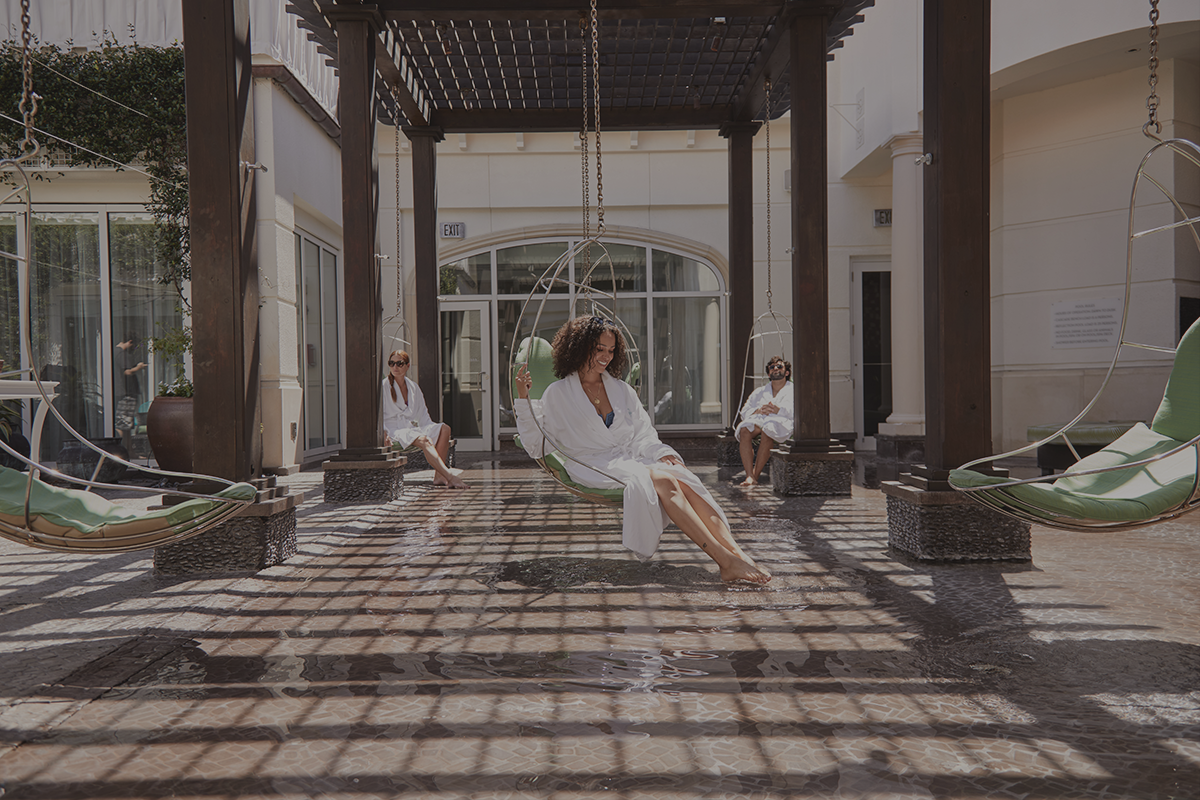
Physical spaces play a major role in encouraging residents to leave their units and interact. Well-maintained shared areas with comfortable seating, strong Wi-Fi, natural lighting, plants, and charging stations help create a warm, usable environment. Spaces that feel intentional and inviting like lounges, courtyards, or co-working rooms become natural hubs for connection.
Encourage Feedback and Act on It
Feedback loops are essential for maintaining a responsive and resident-centered community. Using surveys, suggestion boxes, or quick digital check-ins provide residents with easy ways to share thoughts or concerns. The most impactful step, however, is communicating back with tenants what actions were taken based on their input. When residents see tangible results from their feedback, they feel heard and are more likely to stay engaged and continue contributing ideas.
Partner with Local Businesses
Collaborating with neighborhood vendors adds value and variety to the resident experience without placing heavy demands on staff resources. Local pop-up shops, food trucks, fitness instructors, or service providers can create fresh, rotating engagement opportunities. These partnerships not only enrich community programming but also strengthen the connection between residents and the surrounding neighborhood. It’s also an opportunity to introduce your facility to new members of the community through outbound community engagement invite them to learn more about your space.
Personalize Engagement Opportunities
Communities thrive when programming reflects resident interests. Conducting quick surveys or informal polls helps identify the activities people genuinely want—whether it’s fitness classes, craft nights or neighborhood outings. Personalization shows that the community is shaped with residents rather than for them, which naturally boosts engagement. Using resident data and psychographic insights—such as those from Profiles by Arch—communities can tailor activities, events, and experiences that reflect actual resident lifestyles and interests, creating programming that feels relevant and compelling to the people who live there.
Simple Strategies, Big Impact
Resident engagement doesn’t have to be complicated or resource-heavy to be effective. By implementing some of these simple, consistent strategies, multifamily communities can create an environment where residents feel valued, connected, and empowered. Over time, these small, intentional actions create thriving communities for both residents and staff.